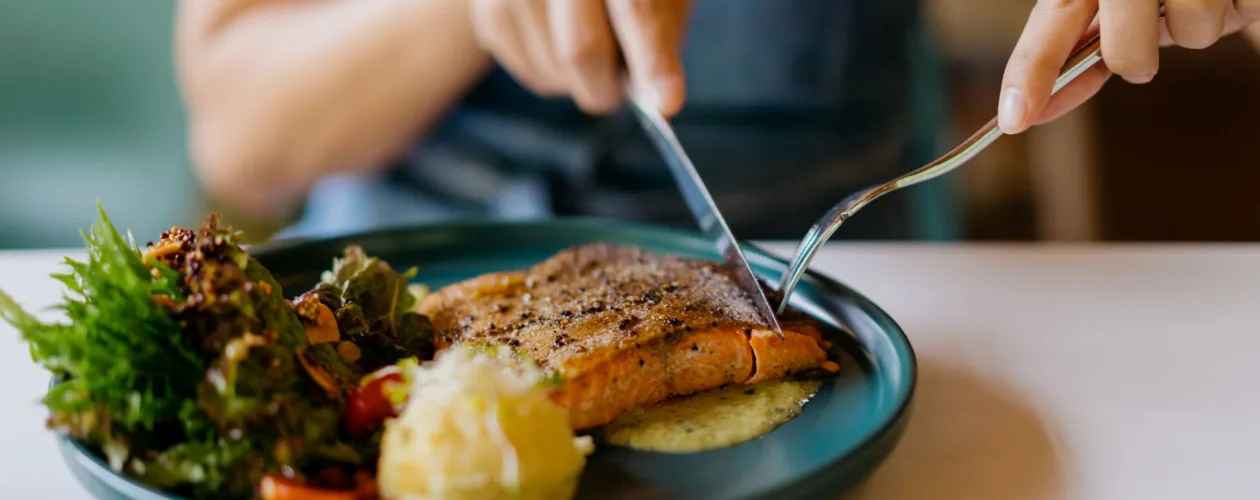
Eating Seafood During Pregnancy: A Safe & Nutritious Choice
Seafood is one of the most nutrient-rich foods you can eat during pregnancy—yet most women eat less than one-quarter of the recommended amount each week. According to the USDA Dietary Guidelines for Americans and the U.S. Food and Drug Administration, those who are pregnant should choose seafood 2-3 times each week—which is about 8 to 12 ounces. This amount is not only safe for moms-to-be, but it also provides essential nutrients that support both maternal health and baby’s development.
Why Seafood Matters During Pregnancy
Seafood offers a unique bundle of nutrients that are difficult to match elsewhere in the diet. Some of these unique and crucial nutrients and benefits include:
- Omega-3 DHA: Supports baby’s brain and eye development throughout pregnancy
- High-quality protein: Helps maintain and build maternal tissues and supports fetal growth
- Vitamin D and calcium: Contribute to strong bones and teeth, immune support, and healthy cell function
- Iron and zinc: Help carry oxygen in the blood and support healthy immunity for mom and baby
Including seafood regularly ensures consistent access to these essential nutrients at a time when they matter most
Seafood Is Safe To Enjoy During Pregnancy
According to the USDA Dietary Guidelines for Americans, pregnant women need to eat at least 2-3 servings of seafood each week to meet nutrient needs. That means that most pregnant women in the U.S. should aim to quadruple the amount of seafood they currently eat.
The most popular types of seafood, such as crab, lobster, salmon and shrimp, in the US are safe to eat during pregnancy and when breastfeeding. The only species that need to be avoided during pregnancy are shark, swordfish, king mackerel, tilefish from the Gulf of Mexico, marlin, orange roughy and bigeye tuna (typically found in sushi). These species are not commonly eaten by most Americans.
How Much Seafood Should You Aim For?
The recommended amount of seafood for all Americans, including pregnant and breastfeeding women, is 2 to 3 seafood meals every week. This amount has been associated with positive developmental benefits for babies and improved outcomes for mothers.
Benefits For Baby
Eating seafood regularly during pregnancy supports key growth periods, including brain development in the first trimester and rapid fetal growth in the third. Plus, studies have shown that women who eat seafood 2 to 3 times each week have babies who reach the following milestones more quickly.
- Copying sounds
- Holding up their head
- Recognizing family members
- Climbing stairs
- Drinking from a cup
- Drawing
Ways To Eat More Seafood
Many pregnant women fall short on seafood simply because they’re not sure how to fit it into their routine. Here are some simple strategies:
- Choose what works for you and your schedule
- Fresh, frozen and canned seafood all count. Keep a variety on hand to make it easier to add seafood to meals without extra planning.
- Keep meals simple
- Bake or roast a couple of servings of salmon or cod and use leftovers in salads or grain bowls.
- Add shrimp to pasta, stir-fries or tacos.
- Use canned salmon or tuna for quick sandwiches, wraps, dips or burgers.
- Pick cooked options when dining out
- Opt for grilled fish tacos, seafood pastas, baked fish entrees or scallop or shrimp dishes. If you want sushi, choose sushi that uses cooked seafood, not raw.
- Explore different types
- Varying your seafood throughout the week helps keep meals interesting and supports a balanced, nutritious diet.
A Smart Addition To The Pregnancy Plate
Including seafood 2–3 times per week is one of the most effective, evidence-supported ways to support your baby’s development and maintain your own health during pregnancy. With a wide range of safe, accessible, and nutrient-rich options, seafood can easily be part of a balanced, satisfying pregnancy diet.
Additional Resources
- Center for Nutrition Policy & Promotion (CNPP) MyPlate Planning for Healthy Eating & Savings: Time Saving Edition
- Center for Nutrition Policy & Promotion (CNPP) MyPlate Planning for Healthy Eating & Savings: Frozen Food Hacks Edition
- American Academy of Pediatrics (AAP) When to Introduce Egg, Peanut Butter & Other Common Food Allergens to a Baby
- National Fisheries Institute (NFI) Seafood Meal Planner