What Americans Think About Food Production & Why Being Thankful Matters
Food and agriculture have always been intertwined, yet consumer awareness of that connection has shifted over time. For most of human history, farming was food—people saw firsthand how crops were grown, harvested, and brought to the table. As the food system modernized, everyday exposure to agriculture faded, and many consumers became increasingly removed from the origins of what they eat.
Today, that distance is narrowing. More consumers want to understand not only what they eat, but also where it comes from and how it is produced. Curiosity about sustainability, production practices, and the broader food system continues to rise.
The 2025 IFIC Food & Health Survey: A Focus On Food Production reflects this trend: Americans say that knowing the source of their food and having confidence that food will be consistently available in local markets are the top two food production-related factors influencing their purchasing decisions. Notably, interest in knowing where food comes from has risen significantly since 2017.
Purpose In Picking
Eating food carries meaning, so while interest in food origins may ebb and flow, it never truly disappears. Consumers increasingly recognize that producing and enjoying nourishing foods depends on a healthy environment. In our survey, nearly 6 in 10 Americans (59%) said it is important that the foods they purchase or consume are produced in environmentally sustainable ways.
What does “sustainable” mean to Americans? Perception has evolved over time. In 2015, many associated a sustainable diet with eating balanced, nutritious meals. While nutrition is still a factor, its importance has decreased sharply, with Americans now more frequently defining sustainability through an environmental lens and favoring foods with a smaller carbon footprint, less waste, and a lower overall impact on the planet.
Pride In Producing
It has been an honor throughout my career to work on connecting the food, nutrition, culinary, and agriculture communities —and bring messages to the consumer that can improve public health. My work has taken me around the world and across the food system —from row crop operations growing corn and soybeans, to conversations with cattle ranchers, to collaborations aimed at increasing fruit and vegetable consumption and supporting both large growers and small family farms.
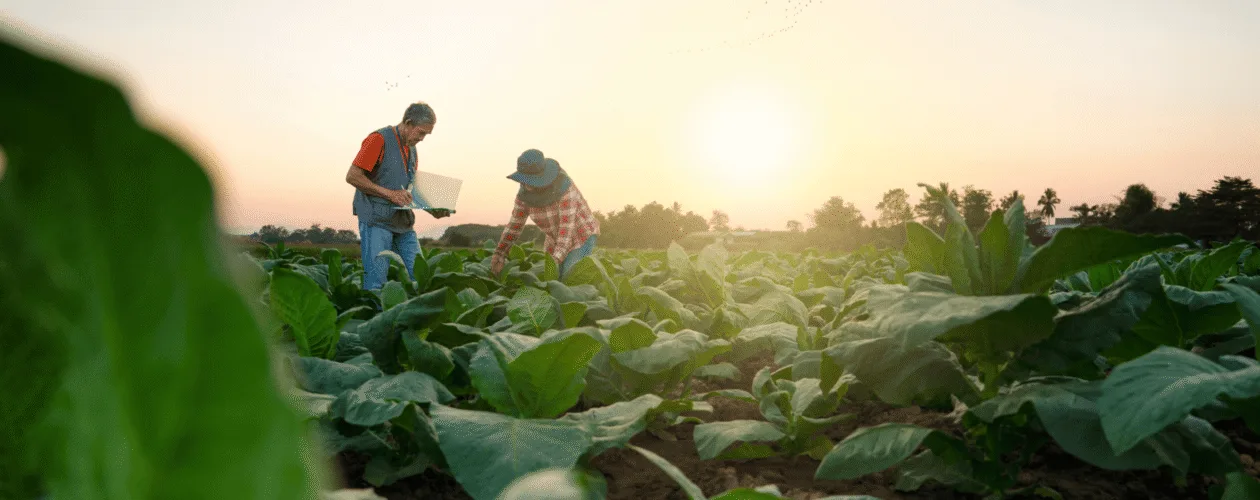
Across these diverse experiences, one theme has always stood out: the deep care, pride, and purpose that farmers and growers bring to producing food. Whether touring multi-acre farms or smaller specialty crop operations, to watching fresh produce move from field to processing facilities to become frozen or canned foods, the commitment is undeniable. At every step, farmers and ranchers are mission-driven —working to ensure that safe, nutritious foods reach consumers year-round, with minimal waste and maximum quality.
When Value Is The Value
Consumers look for value in the foods they choose. Price continues to be the strongest purchase driver after taste—outpacing health, convenience, and even sustainability. Nearly nine in ten Americans report noticing higher food prices now, and more than half express concern about how much food their household wastes.
Ensuring that all Americans have access to affordable, nutrient-dense foods is essential. Equally important is helping consumers understand the purpose and importance of food production itself. Whether or not they come from an agricultural or food industry, academia or public health backgrounds, food and nutrition communicators play a critical role in connecting consumers with the people and practices that make our food supply possible — and providing quality foods that are accessible to all. By strengthening that connection, we can help build trust, reduce misconceptions, and support informed food choices that benefit and strengthen individuals, families, communities, and the broader food system.
Giving Thanks
In keeping with November’s spirit of gratitude, we are reminded that our food system thrives because of shared dedication —farmers committed to careful stewardship, scientists committed to advancing knowledge, and consumers committed to making informed, value-driven choices.
Recognizing this shared commitment —across fields, kitchens, laboratories, and grocery aisles —reminds us that good food is possible because of collective effort. In a time when curiosity about food production and access is growing, giving thanks for the people behind it all helps strengthen the connection between how food is grown and why we choose it.
This season, we honor the shared values that unite growers and eaters, and celebrate the care that fuels our food system.